
The Benefits of Magnesium in Dietary Supplements: A B2B Guide
3/26/20264 min read
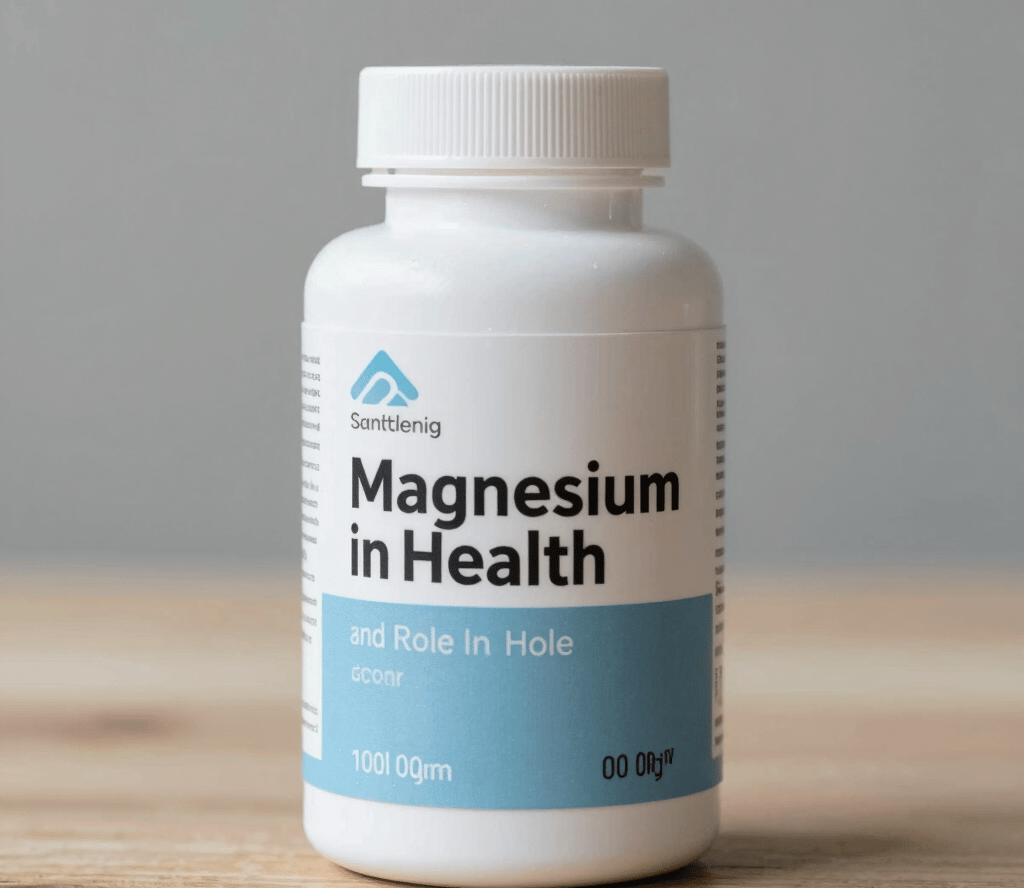

Understanding Magnesium and Its Role in Health
Magnesium is a vital mineral that plays a crucial role in numerous physiological processes required for overall health. Chemically, it is classified as an alkaline earth metal, represented by the symbol Mg on the periodic table. This mineral is involved in over 300 enzymatic reactions in the body, making it integral to maintaining biochemical balance and ensuring optimal function.
One of the primary health benefits of magnesium lies in its ability to support muscle and nerve function. It assists in the transmission of signals between nerves and muscles, which is essential for muscle contraction and relaxation. Furthermore, magnesium is known to help regulate blood pressure, thereby contributing to heart health. By helping to maintain healthy blood vessels, magnesium works to prevent hypertension and other cardiovascular diseases.
Moreover, magnesium is critical for energy production and metabolism. It aids in converting food into energy, influencing the body's energy levels throughout the day. This mineral also plays a role in regulating calcium levels, ensuring bone density and strength, making it a key player in preventing osteoporosis.
In a balanced diet, magnesium is typically sourced from various food items, including nuts, seeds, leafy greens, and whole grains. However, many individuals struggle to meet their magnesium requirements through diet alone, leading to an increased interest in magnesium supplements. As a result, magnesium has become a staple in the dietary supplement industry, favored by wholesalers and distributors alike.
With its diverse range of health benefits, magnesium supplements are often marketed to support overall wellness, making them popular among consumers seeking to enhance their health regimes. The presence of magnesium in dietary supplements underscores its importance and highlights the need for its inclusion in comprehensive health strategies.
The Importance of Quality in Magnesium Supplements
In the burgeoning market of dietary supplements, particularly magnesium, the quality of sourcing and manufacturing practices cannot be overstated. Suppliers and manufacturers must recognize the critical importance of high-quality raw materials in ensuring that their magnesium supplements deliver the expected health benefits. Substandard ingredients can adversely affect product efficacy and consequently harm consumer trust and product reputation.
When examining potential raw materials, it is essential to consider sources that offer purity and bioavailability of magnesium. Organically sourced magnesium, for instance, is preferred as it is less likely to contain harmful residues and is more readily absorbed by the body. Additionally, suppliers should seek out manufacturers who adhere to stringent industry standards and practices during the production process. Compliance with Good Manufacturing Practices (GMP) is a vital indicator of a company’s commitment to quality.
Furthermore, third-party testing serves as an essential tool for verifying the quality and potency of magnesium supplements. Reliable tests provide objective data about the product, ensuring that it meets the standards necessary for safety and efficacy. Implementing third-party audits can enhance consumer confidence and build a reputable brand identity in a crowded marketplace.
Emphasizing quality in magnesium supplements not only meets regulatory compliance but also positions the company as a leader in the industry. Wholesalers and importers who prioritize effective quality assurance measures can significantly enhance their market reputation and foster lasting relationships with consumers. It is crucial for stakeholders in the supplement industry to view the investment in quality not as an additional cost, but as a strategic advantage that will pay dividends in consumer satisfaction and brand loyalty.
Market Trends and Demand for Magnesium Products
The market for magnesium-based dietary supplements is experiencing significant growth, driven primarily by an increasing consumer awareness of health and wellness. As more individuals recognize the importance of magnesium in supporting metabolic functions, maintaining bone health, and promoting cardiovascular stability, the demand for magnesium products has risen sharply. This trend can be attributed to several factors that influence purchasing decisions.
One of the primary drivers of this growing demand is the heightened focus on preventative healthcare. Consumers are increasingly seeking natural supplements that can help alleviate potential health issues before they arise. Magnesium, known for its various health benefits, has emerged as a vital component of these preventative strategies. Moreover, the convenience of incorporating magnesium into daily routines through dietary supplements is appealing to many consumers, particularly among busy professionals and health-conscious individuals.
The demographic profile of magnesium supplement purchasers is diverse, spanning different age groups and lifestyles. However, particular attention should be given to middle-aged adults who often experience a greater need for magnesium due to changes in health and dietary intake. Additionally, athletes and fitness enthusiasts are increasingly incorporating magnesium supplements into their regimes to enhance recovery and performance. Understanding these target demographics is crucial for B2B partners to tailor marketing and product offerings effectively.
Competitive analysis within the magnesium supplement market reveals a notable shift towards clean-label products that emphasize transparency regarding sourcing and manufacturing practices. Brands that highlight the purity and efficacy of their magnesium sources are likely to attract discerning consumers. Furthermore, incorporating innovative delivery methods, such as gummies or effervescent powders, can also enhance appeal. By analyzing these trends and understanding consumer preferences, businesses can strategically plan their inventory, ensuring they meet the rising demand for magnesium products in today’s health-focused marketplace.
Tips for Wholesalers: Purchasing Magnesium Supplements
When it comes to sourcing magnesium supplements, wholesalers play a crucial role in ensuring that high-quality products reach consumers effectively. This section outlines essential purchasing tips for wholesalers and distributors aiming to invest in magnesium supplements.
First and foremost, it is critical to evaluate potential suppliers meticulously. A reliable supplier should not only supply magnesium supplements but also adhere to industry-standard certifications and regulations. Checking for third-party testing results can provide assurance regarding product purity and potency. Establishing a good rapport with suppliers leads to better negotiation outcomes; therefore, maintaining open lines of communication is advisable.
Negotiation strategies play a vital role in maximizing value. Wholesalers should familiarize themselves with current pricing dynamics for magnesium supplements. Understanding market prices will empower buyers during supplier negotiations. It's beneficial to request quotes from multiple suppliers to compare pricing and terms. Additionally, inquire about bulk purchase discounts, promotional offers, or loyalty programs that may enhance profitability.
Another key factor is to prioritize quality over cost. Cheaper does not always equate to better in the realm of dietary supplements. Investing in higher-quality magnesium supplements may yield a more satisfied customer base, which translates to repeat business and brand loyalty. Wholesalers should take time to research product formulations, focusing on bioavailable forms of magnesium that have shown proven health benefits.
Lastly, it is advisable to stay updated on market trends and consumer preferences regarding magnesium supplements. This can inform purchasing decisions and help businesses adapt to evolving demands in the marketplace. By refining their purchasing strategies and fostering reliable supplier partnerships, wholesalers can create a sustainable business model in the competitive dietary supplement industry.
Whatsapp:+86 18565177686
Email: vam.wanmao@gmail.com